Substantive Post #1: Theories of Multimedia Learning
Theories of multimedia learning have changed how I think about educational design. Before this week, I mostly saw media as something that makes content more interesting or visually appealing. I did not pay much attention to how media affects the way we process information. After reading about Mayer’s Cognitive Theory of Multimedia Learning, I realized that combining text and visuals is not automatically helpful, it works best when it is intentional and supports learning goals.
One principle that felt intuitive to me was the multimedia principle, which suggests that people learn better from words and pictures together than from words alone. This matches my experience in first-year computer science courses. When slides are mostly text, I often feel lost and need to reread them several times. In contrast, diagrams and visual examples usually help the content “click” faster. For example, when learning about algorithms or data structures, flowcharts and step-by-step visuals make the process easier to follow than long written explanations.
I was also surprised by how strict some of Mayer’s principles are, especially the coherence principle. I used to assume that adding more images or animations would always improve learning. After reading about cognitive overload, I started to question that .When I think about platforms like Instagram or TikTok, they are full of moving elements, colours, and competing information. They can be very engaging, but I often do not remember much afterwards.
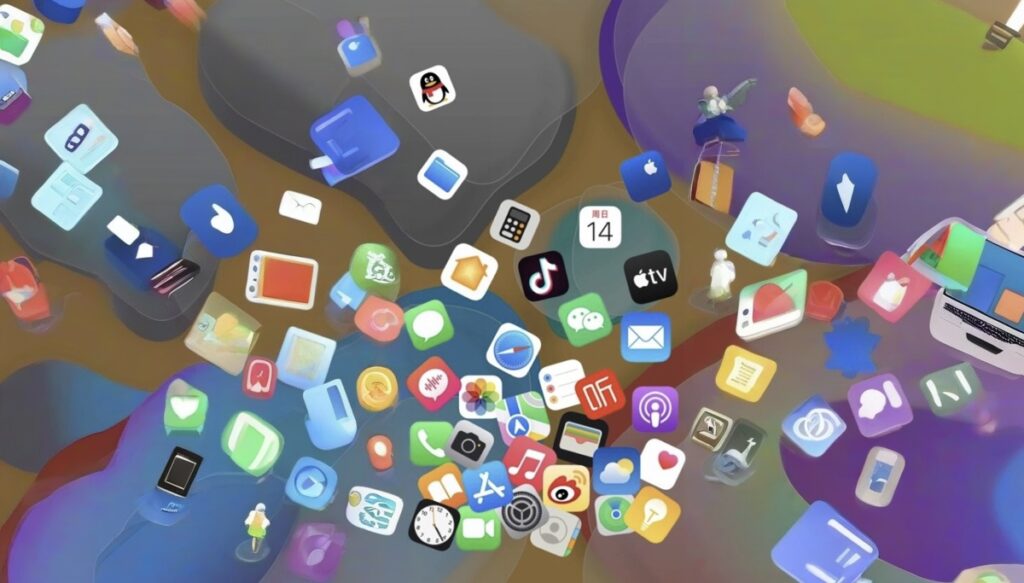
This kind of visual overload may look exciting, but it likely increases cognitive load and makes it harder to focus on the main message.
For my own project design, I am trying to apply the signaling and spatial contiguity ideas in a simple way: help learners know where to look, and keep related words and visuals close together. In the past, I often placed an image on one part of a page and explained it somewhere else, assuming people would connect them. Now I see that this can create unnecessary effort. Instead, I want to label visuals clearly, place key terms beside the parts they describe, and use cues to guide attention.
I also realized I have used these ideas without knowing the terms. When I take notes, I often doodle small diagrams or symbols next to key points. I used to think it was just a habit, but it helps me organize information and recall it later.
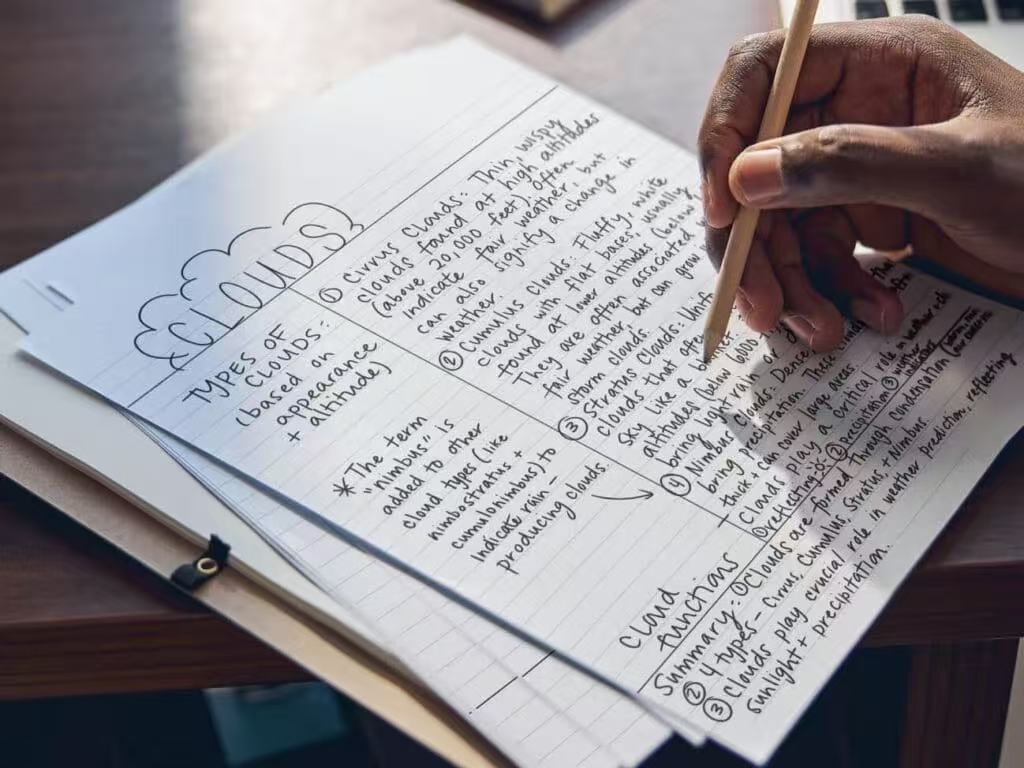
These sketches act as visual anchors when the content is abstract.
Overall, this week’s readings pushed me to rethink multimedia as a design responsibility, not a creative add-on. I am more aware of how easily cognitive overload can happen, and I want to use media in ways that support understanding rather than compete for attention.